Building a Hangar? Don’t Wing It.
We’ve seen it too many times: pilots or property owners rushing into a hangar project, only to backtrack later due to poor planning, zoning hurdles, or structural oversights. Here’s how to avoid the five most common mistakes when building a hangar.
Mistake #1 – Ignoring Local Zoning & Permits
Every municipality in Florida has different rules for height restrictions, setbacks, and stormwater drainage. Miss one code, and you could be grounded before concrete even pours. Always confirm your site plan with an aviation-savvy general contractor who understands local ordinances and FAA overlays.
Mistake #2 – Prioritizing Style Over Function
A sleek exterior is worthless if your hangar doesn’t accommodate your tail height or if the doors can’t open fully. Start with dimensions, door type, and operational needs. Then design around that.
Mistake #3 – Poor Drainage and Foundation Planning
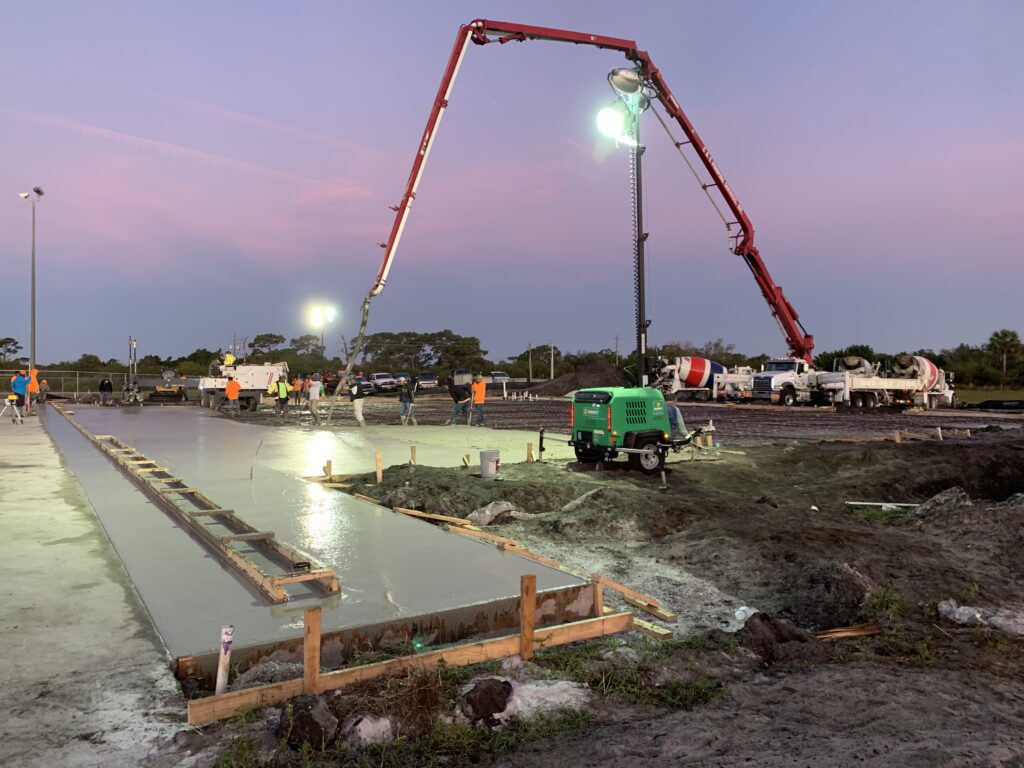
This is Florida. Water tables are high. And rain doesn’t wait. Skipping site grading or under-engineering your foundation can lead to flooding, slab cracking, and long-term damage.
Mistake #4 – Building Too Small
Aircraft ownership is rarely static. Whether you upgrade, co-own, or add support equipment, you’ll need space. Build for growth. A 10% increase in square footage now is cheaper than demo and expansion later.
Mistake #5 – Choosing the Wrong Builder
Most general contractors don’t understand aviation. Don’t hire someone who’s never stood on a hangar slab or factored in wingtip clearance. Work with a team that knows what a hangar is supposed to do – and how it’s supposed to feel.
Final Approach: Build With Precision
At Sabal Aviation, we build hangars like pilots fly – on mission, on standard, and with zero tolerance for failure. Avoiding these five mistakes isn’t just smart. It’s essential.